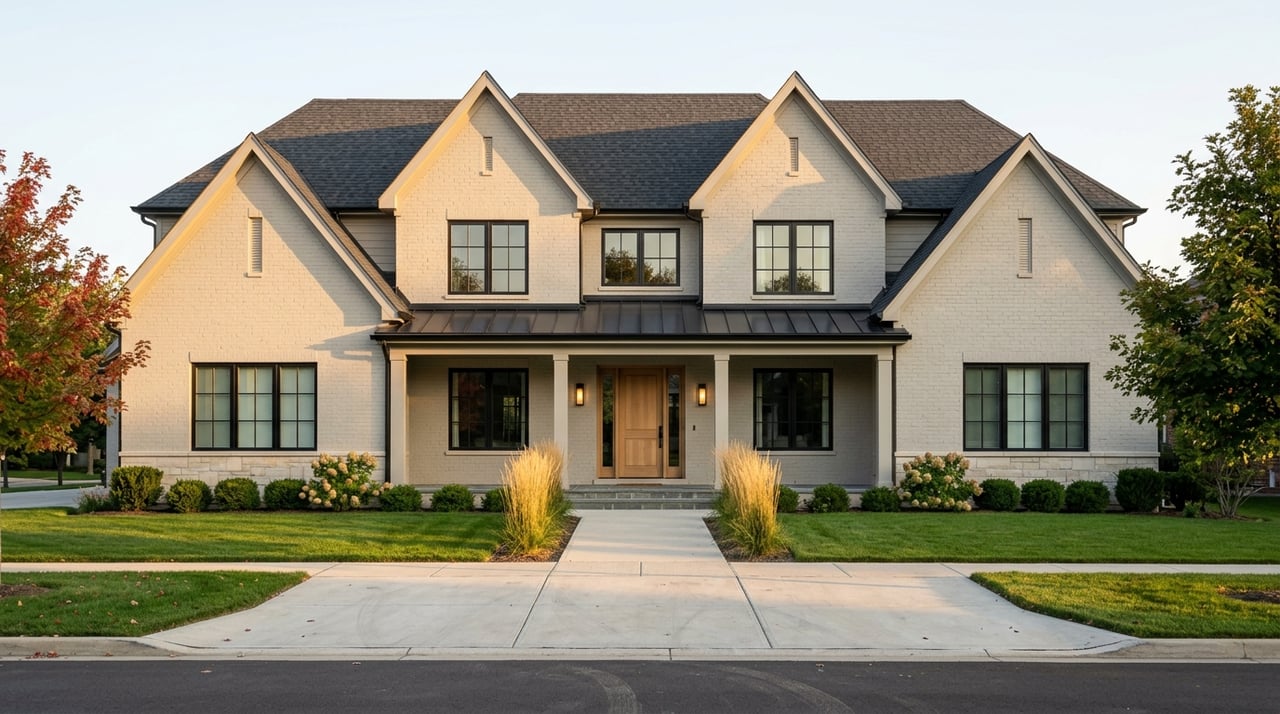
Thinking about relocating to Carmel and wondering whether one neighborhood can simplify your move? If you want a place where housing, amenities, green space, and daily conveniences come together in one setting, the Village of WestClay deserves a close look. For many buyers, the biggest challenge is not just finding a home, but finding a lifestyle that fits how you want to live day to day. This guide will help you understand what WestClay is, how it compares with the rest of Carmel, and what to verify before you make your move. Let’s dive in.
Why WestClay stands out in Carmel
The Village of WestClay is a large planned community in Carmel that blends homes, retail, parks, ponds, and resident amenities into one neighborhood environment. HOA information describes it as a resident-driven community with more than 5,000 residents, more than 1,000 homes, about 100 businesses, 45 park areas, and 25 ponds.
In size and structure, WestClay is bigger and more layered than a typical subdivision. The neighborhood spans roughly 760 to 800 acres and includes extensive open space and a broad internal path system. That scale is a big reason many relocation buyers see it as one of Carmel’s most self-contained places to live.
Carmel as a whole offers a range of lifestyle districts and housing choices. City resources highlight destinations such as City Center, the Arts & Design District, Midtown, and the Monon Greenway. WestClay feels different because so much of daily life can happen within the neighborhood itself.
What living in WestClay feels like
If you are moving from out of town, one of the first things you may notice is that WestClay has a strong sense of structure and identity. The architecture, neighborhood sections, streetscapes, and mixed-use layout give it a more intentional look and feel than many suburban neighborhoods.
That does not mean every part of WestClay looks the same. In fact, variety is part of the appeal. You can move through different sections and see distinct home types and architectural styles while still feeling like you are in one cohesive community.
The overall lifestyle here tends to suit buyers who want a neighborhood-centered routine. HOA materials describe resident amenities, clubs, gatherings, and seasonal events as part of village life. If you like the idea of living somewhere that supports both privacy at home and connection to the wider neighborhood, WestClay may be a strong match.
Home options in WestClay
One reason WestClay works well for relocation is the range of housing choices. This is not a neighborhood with only one product type or one price point. According to HOA information, the village includes detached homes, estate homes, townhomes, villas, garden homes, and attached residential options, along with homes for sale, homes for lease, and apartment offerings.
That range can help if you are still refining what you want. You may come to Carmel expecting to buy a large single-family home, then realize a lower-maintenance villa or townhome better fits your schedule. Or you may want to lease first while learning the market before making a purchase.
Architecturally, WestClay is especially distinctive. The HOA describes the village as featuring Federal, Greek Revival, Italianate, Gothic Revival, and some Victorian-inspired styles. Specific sections add more variety, including Art Deco influences in Uptown, Craftsman and French Eclectic in the Villas, and Italianate and Queen Anne styles in West Village.
For many buyers, that means WestClay offers more visual character than a standard suburban development. If curb appeal, neighborhood design, and a sense of place matter to you, this is one of the clearest strengths of the community.
Everyday convenience inside the village
WestClay’s internal amenity network is one of its biggest advantages for relocation buyers. HOA resources describe three exercise rooms, outdoor pools open from Memorial Day to Labor Day, sport courts, a baseball diamond, fire pits and shelters, fishing on select ponds, clubhouses, and resident access to the Meeting House.
The neighborhood also includes extensive open space and multiple miles of internal paths. Because HOA pages list slightly different totals, the safest takeaway is simple: WestClay offers a substantial path system that supports walking, biking, and recreation within the community.
That convenience extends beyond recreation. The village includes a retail center and merchant mix that covers many daily needs. The merchant directory lists restaurants and cafes, a pharmacy, hardware, banking, fitness and wellness providers, salons, legal services, library access, and residential offerings.
For a relocation buyer, that can make the adjustment period easier. Instead of learning an entire metro area at once, you can settle into a neighborhood where some errands, casual dining, and services are already close to home.
Walkability and commuting
WestClay is highly walkable by suburban standards, especially inside the neighborhood itself. Paths, shared spaces, amenities, and nearby services make it easy to get around for recreation and some daily routines without getting in the car every time.
At the same time, it helps to set the right expectation. WestClay is best understood as a road-and-trail neighborhood, not a transit-oriented one. Most regional commuting in Carmel and Hamilton County will still be car-based.
The broader area does support active transportation. Carmel’s official Village Loop trail route is 12.5 miles long and explores shopping and residential areas in and around WestClay, with points of interest that include the village, Coxhall Park, and the Monon Trail connection area.
In practical terms, WestClay tends to work best if you want local walkability but are also comfortable with suburban driving. That combination is part of what makes it appealing to many professionals and relocating households.
WestClay and school routines
For buyers with school-age children, WestClay often stands out because of its nearby school infrastructure. Carmel Clay Schools says West Clay Elementary opened in August 2006 and currently serves about 640 students.
The school shares a 166-acre site with Creekside Middle School, the CCS Transportation Office, and College Wood Elementary. For some relocating households, that nearby school presence adds convenience to the daily routine.
It is important to verify school placement by address before you buy or lease. Carmel Clay Schools directs families to confirm boundaries through its district tools, and that step matters even within a well-known neighborhood like WestClay.
When discussing schools, the most helpful approach is to focus on logistics and fit. You will want to confirm assignment, commute patterns, and how a specific home location aligns with your daily schedule.
How WestClay compares with other Carmel areas
Carmel offers several distinct lifestyle options, and that is part of its broader appeal. Some buyers are drawn to areas near City Center, Midtown, or the Arts & Design District because they want to be close to those destinations.
WestClay appeals for a different reason. Rather than relying on separate districts for dining, recreation, and everyday services, it brings many of those elements into one neighborhood setting. That can be especially attractive when you are relocating and want a more streamlined landing spot.
This does not make WestClay the right fit for everyone. If you prefer a more conventional subdivision layout or a more urban-feeling district lifestyle, another part of Carmel may suit you better. But if your goal is a community-centric environment with a strong internal identity, WestClay is one of the clearest options in the market.
What to verify before you choose WestClay
Relocating is easier when you know what to confirm early. Even in a well-established neighborhood, the details can vary by address, property type, and village section.
Here are a few smart items to verify as you narrow your options:
- Your exact school assignment by address through Carmel Clay Schools
- Current HOA rules, fees, and amenity access for the specific property
- Whether the home is in a section with a different maintenance level or housing style
- How close the property is to paths, retail, ponds, parks, or activity areas
- Whether buying, leasing, or trying an attached option first makes the most sense for your move
For many buyers, the section of WestClay matters almost as much as the neighborhood itself. A townhome near mixed-use areas can feel very different from a larger detached home in another part of the village.
Is WestClay a good fit for your move?
WestClay tends to fit buyers who want more than a house. It offers a built-out neighborhood ecosystem with varied housing, strong amenities, internal conveniences, open space, and a clear sense of place inside Carmel.
That can be especially helpful if you are relocating for work, lifestyle, or a new stage of family life. Instead of piecing together your routine across several parts of town, you may be able to build much of it around one neighborhood.
The key is making sure the specific property and section support how you actually want to live. If you are considering WestClay, a guided, local view of the neighborhood can help you compare options with more confidence and less guesswork.
If you are planning a move to Carmel and want a clear, neighborhood-level strategy, Jennil Salazar can help you evaluate WestClay, compare homes that match your goals, and navigate your relocation with a more tailored, concierge-level approach.
FAQs
What is the Village of WestClay in Carmel?
- The Village of WestClay is a large planned neighborhood in Carmel with more than 1,000 homes, 5,000-plus residents, retail businesses, parks, ponds, and resident amenities in one community setting.
What kinds of homes are available in WestClay?
- WestClay includes detached homes, estate homes, townhomes, villas, garden homes, lease options, apartments, and other attached residential choices.
How walkable is WestClay for daily life?
- WestClay is very walkable within the neighborhood compared with a typical suburb, thanks to its internal paths, amenities, retail areas, and shared green spaces, although most regional commuting is still car-based.
How does WestClay compare with other Carmel neighborhoods?
- WestClay is more self-contained than many parts of Carmel because it combines housing, recreation, and some daily services inside one neighborhood, while other Carmel areas often revolve around separate districts and destinations.
What should you verify before buying in WestClay?
- You should confirm school assignment by address, current HOA rules and fees, amenity access, and the character of the specific village section you are considering.