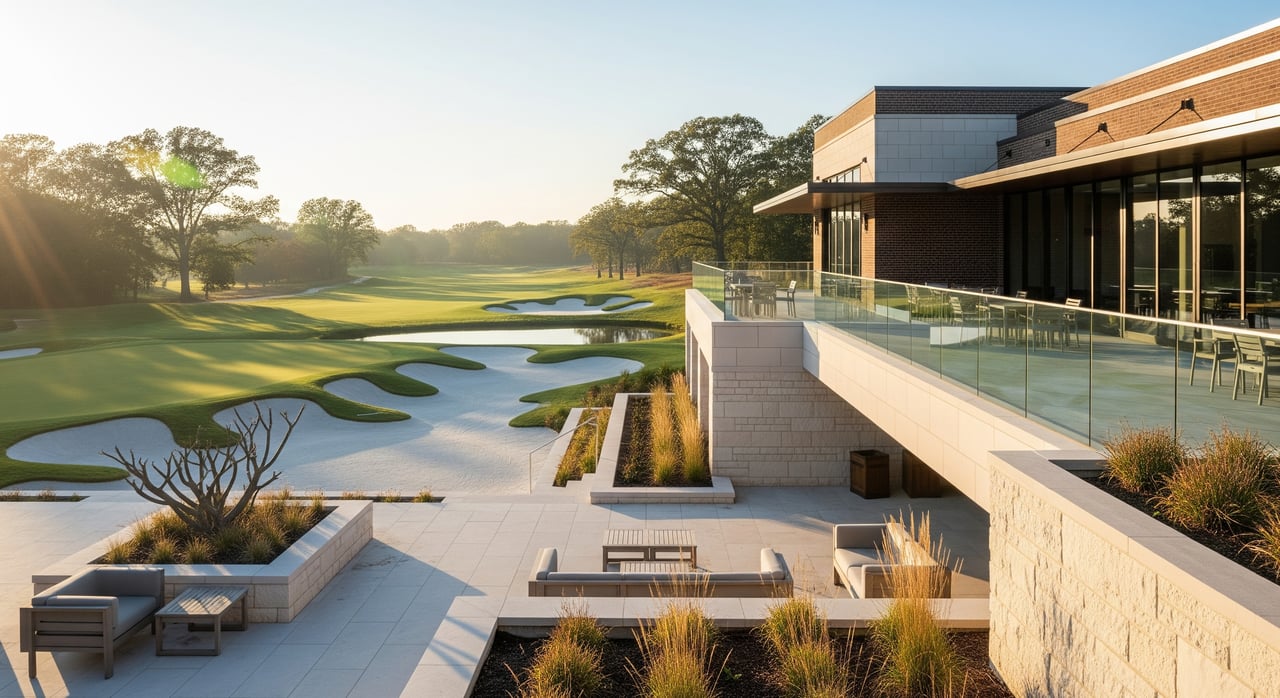
Imagine stepping out your back door and being a few minutes from the first tee, sunset patio dinners, and a full social calendar without leaving your neighborhood. If you are exploring golf‑course living in Westfield or nearby Carmel, you want a clear picture of how the communities work, what membership really includes, and how to compare options. In this overview, you will learn the lifestyle essentials, what to verify about fees and access, and a smart plan to tour top communities. Let’s dive in.
How golf communities work
Golf‑oriented neighborhoods in the Carmel–Westfield area generally fall into three models. Understanding these helps you align lifestyle, cost, and access.
Private club neighborhoods
These are independently run private clubs with initiation fees, monthly dues, membership tiers, and restricted access. Long‑established private clubs in the region, such as Crooked Stick and Bridgewater in Carmel, fit this profile. Always confirm current access policies and membership availability directly with each club.
Community‑centered developments
Newer master‑planned neighborhoods are built around an on‑site course and a community clubhouse. Westfield’s Chatham Hills is a local example. Membership may be optional, or there may be resident discounts or separate HOA and club fees. Verify whether membership is required, how fees are structured, and what amenities are included.
Semi‑private or public adjacencies
Some neighborhoods sit beside courses that welcome public play or offer limited member privileges. These can carry lower recurring club costs and broader access but a different feel than a private club. Expect more public traffic and fewer member‑only events.
Lifestyle and amenities to weigh
A great fit blends the course, the clubhouse, and the day‑to‑day rhythm you want.
Golf and practice
- Course character and layout: 9 vs 18 holes, difficulty, and playing style.
- Practice options: driving range, short‑game areas, putting greens, and simulators.
- Tee‑time access: pace of play, reservation windows, guest limits, and tournament schedules.
Clubhouse and dining
- Dining styles: casual grille, formal dining, patio seating, and private event space.
- Policies: food and beverage minimums, dress codes, and reservation practices.
- Event usage: larger private events can affect member dining windows, so check typical schedules.
Aquatics, courts, and fitness
- Pools: family and lap pools, seasonal schedules, and swim programs.
- Courts: tennis and pickleball availability, lessons, and leagues.
- Fitness: a staffed fitness center vs a smaller resident gym and the scope of classes.
Trails and recreation
- Trail connectivity: look for continuous walking and biking paths within the community and links to broader Westfield and Carmel networks.
- Parks and open space: pocket parks, play areas, and conservation corridors that protect views.
- Commute access: proximity to major corridors like US‑31 and local routes to regional employment centers.
Social programming
- Member calendar: seasonal socials, holiday gatherings, and themed events.
- Player development: junior clinics, adult leagues, and skills programs.
- Community involvement: volunteer committees and partnerships with local parks or arts.
Home options and lots
- Product mix: estate lots, detached single‑family, low‑maintenance villas, or townhomes.
- Lot orientation: golf frontage vs greenbelt or open space, noting privacy and ball‑strike exposure.
- HOA standards: architectural guidelines, landscaping rules, signage, and golf‑cart policies.
Membership and costs to verify
Policies vary, so request current documents and confirm details in writing.
Membership tiers and access
- Common categories: Full Golf, Social, Sport or Limited Golf, Corporate, Junior, and Non‑resident.
- Residency rules: living in a golf community does not always require club membership. Ask whether membership is required, optional, or bundled at closing.
Fees and ongoing costs
- One‑time charges: initiation or entry fees and any transfer fees.
- Recurring costs: monthly or annual dues, food and beverage minimums, cart or greens fees, and guest fees.
- Program extras: clinics and lessons, junior program fees, locker or bag storage.
- Capital items: current or planned assessments for course or clubhouse projects.
Documents to obtain
- Membership brochure and fee schedule.
- Club bylaws and membership agreement, including waitlist, resignation, and transfer rules.
- HOA CC&Rs and recent meeting minutes to understand assessments and community standards.
- Statements about capital reserves and course maintenance planning.
Practical finance questions
- Is a membership included with the home, and is it transferable or refundable?
- Are any special assessments planned for renovations or expansions?
- How do costs compare with other Hamilton County clubs? Ask membership directors for recent comparables.
Chatham Hills, Crooked Stick, Bridgewater
Use this lens to focus your shortlist, then confirm specifics with each club.
Chatham Hills snapshot
Chatham Hills in Westfield represents a modern, master‑planned golf community. Buyers often value newer construction, integrated trail systems, on‑site clubhouse amenities, and broad lifestyle programming. Verify whether club membership is optional, the fee structure, and the exact amenity package.
Crooked Stick snapshot
Crooked Stick in Carmel is known in the region for a championship pedigree and an established private‑club culture. If you prioritize competitive play, course reputation, and tradition, it is a strong comparison point. Confirm membership availability, any waitlist, reciprocity, and clubhouse offerings.
Bridgewater snapshot
Bridgewater in Carmel is known locally for a full amenity stack across golf, pools, courts, dining, and robust programming. Many buyers compare Bridgewater when they want a private‑club lifestyle with a wide social calendar. Verify membership tiers, junior programming, and whether neighborhood homes include or exclude club membership.
What to weigh
- Prestige vs convenience: long‑established private clubs may carry higher costs and a more formal culture, while newer communities may emphasize family‑friendly amenities and walkability.
- Access vs exclusivity: private clubs tightly manage tee sheets and events. Community‑centered clubs can provide broader resident access.
- Maintenance outlook: older clubs may prioritize capital reserves for course upkeep, while newer developments may transition responsibilities from the developer to an HOA or the club over time.
A smart touring plan
Make your time on site count with a focused approach.
Before you go
- Request the current membership brochure, fee schedule, bylaws, and waitlist policies.
- Ask for HOA CC&Rs, recent meeting minutes, and a community map showing trails, amenities, and lot orientations.
- Confirm whether a specific listing includes a transferable membership or special terms at closing.
On‑site checklist
- Visit during peak times to observe real member activity and pace of play.
- Walk or ride a hole, see the practice complex, and tour locker and fitness areas.
- Dine at the clubhouse to experience food quality and service.
- Meet the membership director or general manager to discuss guest policies, event calendars, and junior play rules.
- Speak with residents about day‑to‑day noise, wildlife presence, and large‑event frequency.
- Trace trail routes for connectivity and note street crossings for comfort when walking or biking.
After the tour
- Request recent financials or a capital‑projects summary from the club.
- Compare fees, access, and programming across your top two or three choices.
- Ask about trial or social‑guest opportunities to sample the culture before you decide.
- Confirm insurance guidance related to living adjacent to a course.
Half‑day sample itinerary
- 9:00 a.m. Arrival and quick community drive to orient to lots, greenspace, and trailheads.
- 9:30 a.m. Meeting with membership director for tiers, access, and current calendar overview.
- 10:15 a.m. Practice facility and clubhouse tour, plus a short walk along a selected hole.
- 11:15 a.m. Lunch at the grille to gauge service and member vibe.
- 12:00 p.m. Short neighborhood walk or bike on internal trails, then debrief and next‑steps list.
Trails, dining, and nearby amenities
Clubhouse dining is a major perk, but you will likely want a mix of nearby public options too. Westfield and Carmel continue to invest in trail connectivity, so verify whether your target community links directly to regional paths or offers internal loops only. Also consider access to daily conveniences like groceries and health care, plus your commute using US‑31 and nearby arterials. When in doubt, drive your typical routes at your usual times.
Seasonal tips
Central Indiana’s prime outdoor golf and pool season runs from late spring through early fall. Communities with indoor simulators, fitness classes, and winter programming can extend year‑round value. Ask how each club supports golf practice, social life, and youth activities during the colder months.
Next steps
The right choice balances course access, community culture, and clear membership terms. Start by requesting official membership materials and HOA documents from your top communities, then schedule back‑to‑back tours to compare experience and access side by side. If you want a curated shortlist, private‑channel opportunities when available, and concierge coordination, connect with Jennil Salazar for a one‑to‑one plan.
FAQs
Do golf‑course residents automatically become club members in Carmel and Westfield?
- Not always. Many neighborhoods do not require club membership, so confirm whether it is required, optional, or bundled with your purchase.
How much do memberships cost at local clubs?
- Fees vary by club and change over time. Request the current fee schedule, initiation details, and any food and beverage minimums directly from each club.
Are golf‑course homes harder to insure or maintain?
- It depends on lot position and community rules. Ask your insurer about coverage for ball‑strike damage and review HOA dues that support course and amenity upkeep.
How can I reduce stray golf balls and privacy concerns at home?
- Weigh lot orientation carefully. Homes by tee boxes or landing areas can see more activity, while buffer landscaping and setbacks may offer added privacy.
Could a course be redeveloped in the future?
- Ownership and land use can change. Review CC&Rs and ask about land‑use protections or plans to understand long‑term course stability.