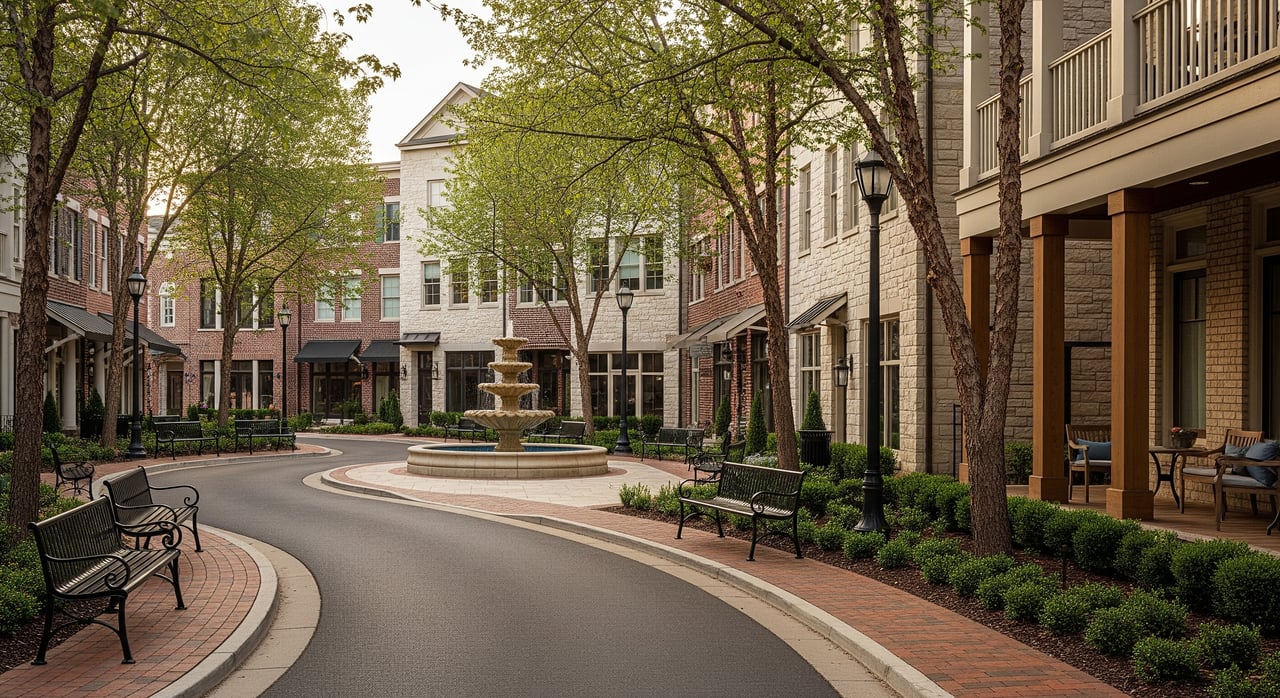
Imagine starting your morning with a short stroll for coffee, a quick loop around a pocket park, and an easy walk to evening dinner without moving your car. If you are exploring Carmel and wondering how everyday life actually works in the Village of WestClay, you want clarity on pace, convenience, and community. This guide gives you a grounded look at the planned-village lifestyle, from errands and amenities to housing and commute patterns, so you can decide if it fits your goals. Let’s dive in.
WestClay village feel and layout
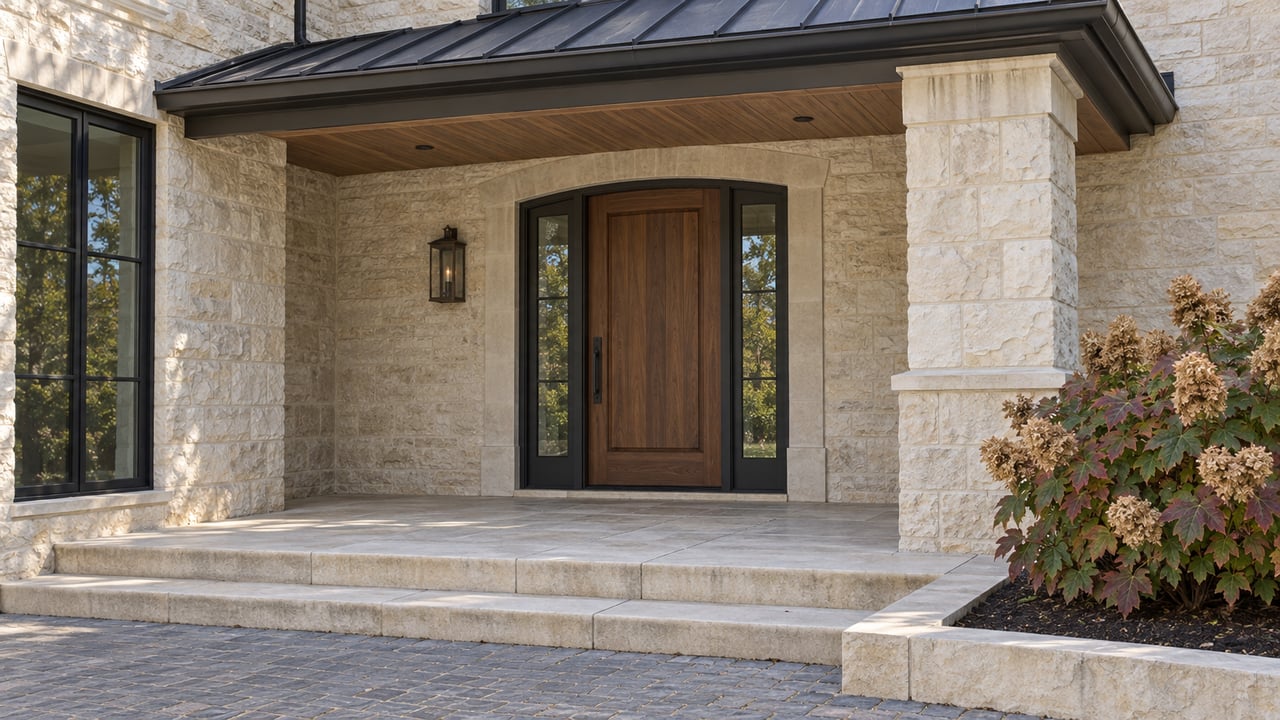
The Village of WestClay is a master-planned, mixed-use neighborhood in Carmel designed around a central village core. Streets are built for pedestrians, with sidewalks, street trees, and pocket parks that make short walks part of daily life. Architecture follows coordinated guidelines, so you see a range of styles with cohesive streetscapes. The result is a small-town feel inside a larger city.
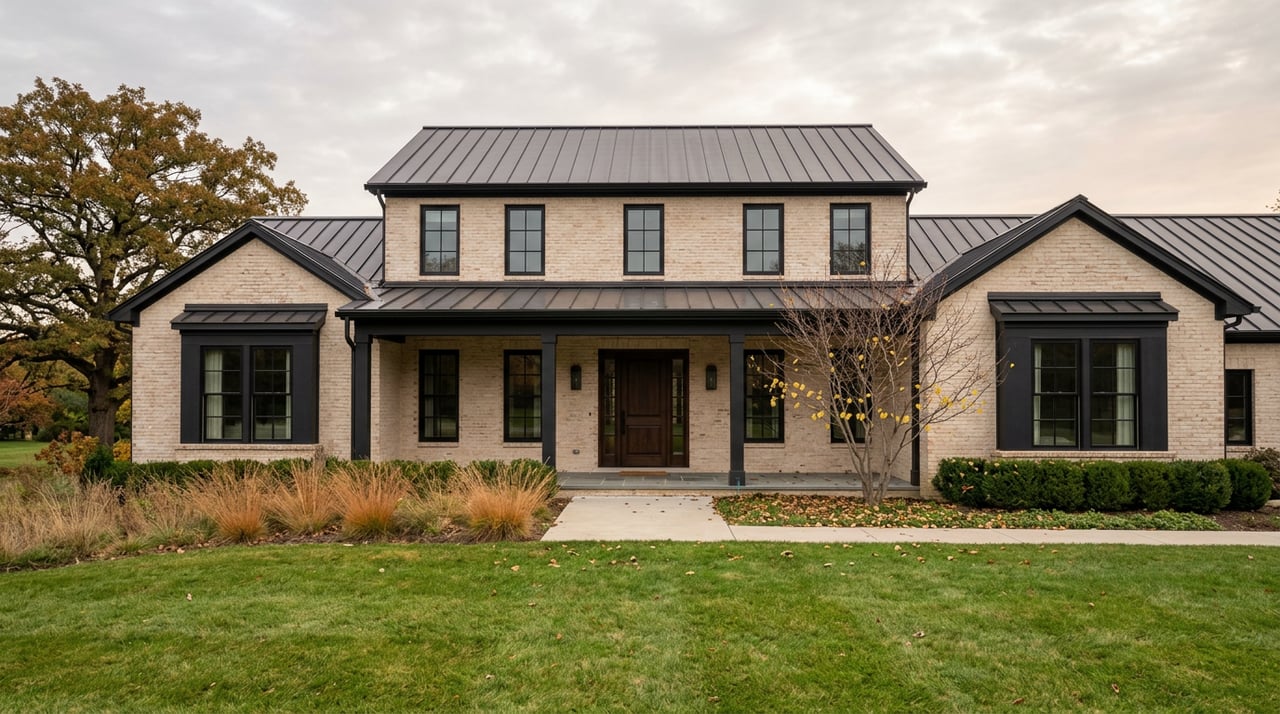
Homes surround the village center in a series of sections with parks and greenbelts woven through. You will find townhomes and smaller-lot homes closer to the core, with more traditional single-family options on surrounding streets. The neighborhood’s identity is intentional: a connected place where you can live, meet, and unwind close to home.
Walkable daily essentials
Village center highlights
The village core is where you run quick errands and meet up. Expect everyday services like cafés, sit-down dining, salons, and professional offices inside a compact, walkable hub. It is designed for simple routines, whether you are grabbing a morning latte, scheduling an appointment, or meeting a friend for lunch.
Parking is straightforward around the center, and you will notice on-street options along with nearby lots. The layout supports quick in-and-out trips by car, but it rewards walking from nearby homes.
Parks, pools, and trails
Living in WestClay is very much about time outside. Neighborhood parks, playgrounds, and landscaped green spaces give you short, useful destinations for dog walks and after-dinner loops. Community swimming pools and internal walking paths add seasonal fun and daily fitness options. Some amenities are maintained by the homeowners association, so check access rules and hours if you plan to use them frequently.
Sidewalks and internal paths tie many sections together for foot and bike travel. Connections to broader Carmel trail systems vary by section, so you will want to review local maps when you evaluate specific homes.
Events and social life
WestClay’s social calendar often features neighborhood events, clubs, and interest groups that bring residents together. You may see holiday gatherings, outdoor entertainment, and fitness or club meetups on a recurring basis. Some activities are organized for HOA members, while others are open to the broader community. If an active calendar is important, review current event schedules before you buy.
Housing options and ownership
Home types you will find
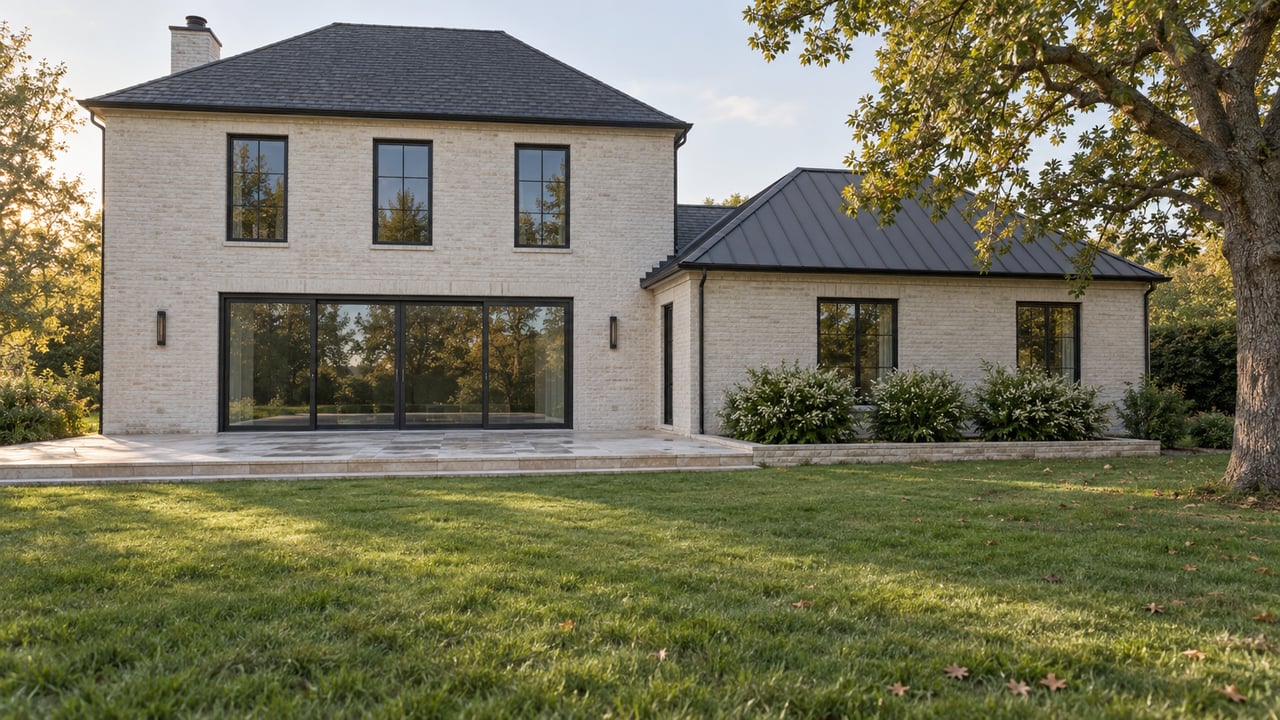
You can choose from a mix of single-family homes, townhomes, and low-maintenance patio or cluster homes. Closer to the village center, lots tend to be smaller and walkability increases. On surrounding streets, you will often find larger footprints and yards. The neighborhood was built in phases, so different sections can show variations in age, finishes, and builder styles.
If you are planning for guests, home offices, or multi-generational living, walk the floor plans in several sections to see how layouts differ. It is common to find options that balance space with the convenience of a village setting.
HOA basics to know
An active homeowners association helps maintain common areas, amenities, landscaping standards, and architectural review. In some cases, there can be a master HOA with sub-associations that manage specific sections or product types. Dues and coverage vary, and certain amenities may be reserved for residents and guests under posted rules. Review the covenants, fees, and any rental or exterior-change guidelines as part of your due diligence.
Schools and family services
WestClay addresses are served by Carmel Clay Schools. Specific school assignments depend on your street address, so use the district’s boundary lookup to confirm elementary, middle, and high school pathways for a given home. Private schools, preschools, and childcare options are available in and around Carmel, though openings and waitlists change during the year. If proximity to programs matters, call providers early and verify current availability.
For enrichment and adult learning, you have access to regional colleges and universities in the greater Indianapolis area. Local community programming and extracurriculars are also widely available across Carmel.
Transportation and commute
Daily life in WestClay typically relies on a car for commuting and major errands. The neighborhood connects to Carmel’s arterial roads for access to area employers and to major interstates like I-465 and I-69. Public transit options in Carmel are limited compared with the urban core of Indianapolis, so most residents plan for drive times during peak hours.
Rideshare services are common, and cycling is an option for short trips within the village and surrounding paths, especially in good weather. If you will commute during rush hours, test your route at the times you plan to travel to understand typical variability.
Safety, services, and practical details
Public safety is provided by the City of Carmel police and fire departments. Municipal services cover essential utilities and waste collection within city jurisdiction, with internet and cable options available from local providers. For specific homes, review floodplain maps and any drainage notes, and confirm utility providers and service levels during your inspection window.
Property taxes are set at the county level, and HOA dues vary by section. Include both in your monthly budget planning, along with any community fees associated with amenities.
Strengths, tradeoffs, and lifestyle fit
Every neighborhood has a personality. WestClay’s strengths center on convenience, design, and community programming.
- Walkable village center for everyday dining, services, and meetups.
- Well-maintained common areas with parks, pools, and paths.
- Coordinated architecture and landscaping that keep streetscapes cohesive.
- Access to Carmel Clay Schools, with school assignments based on address.
Tradeoffs to consider:
- HOA rules and dues require attention to covenants and budgets.
- Price points can run higher than some nearby Carmel neighborhoods.
- Public transit is limited, so most residents rely on cars for commuting and bigger errands.
If you prefer a quieter suburban street with the option to walk to coffee, dinner, and parks, WestClay checks a lot of boxes. If you want very large lots or fully car-optional living, you may want to compare sections within the neighborhood or evaluate nearby areas.
How we help you evaluate WestClay
Choosing the right home in WestClay comes down to fit: the section, the lot, the home type, and the way you want to live day to day. Our team pairs deep neighborhood knowledge with a boutique, concierge approach so you can move with confidence. You get professional staging, custom design guidance, and premium photography when selling, plus private and off-market channels when discretion matters. For buyers, we streamline tours by section, clarify HOA and amenity differences, and guide you through valuations and timing.
If the Village of WestClay is on your shortlist, connect with us to tailor a plan around your goals. Start the conversation with Jennil Salazar.
FAQs
Are WestClay amenities public or residents-only?
- Many amenities are managed by the homeowners association, and access can be limited to residents and guests; review posted rules and HOA guidelines for details.
Which schools serve a WestClay address?
- WestClay is served by Carmel Clay Schools, and specific elementary, middle, and high schools are assigned by address; confirm with the district’s boundary lookup before you buy.
How walkable is WestClay for daily errands?
- The village center supports coffee, dining, services, and appointments within a short walk of nearby homes; larger grocery trips and big-box shopping typically require a short drive.
What types of homes are available in WestClay?
- You will find single-family homes, townhomes, and patio or cluster homes, with smaller-lot options near the village core and larger-lot homes on surrounding streets.
What is the commute like to downtown Indianapolis?
- Most residents drive via Carmel arterials to major interstates, with travel times varying by peak-hour traffic; public transit options are limited compared with urban Indianapolis.
Are there HOA dues and rules to plan for?
- Yes, expect a master HOA and possibly sub-associations; dues typically cover common-area maintenance, amenities, and architectural review; read the covenants and fee schedules closely.