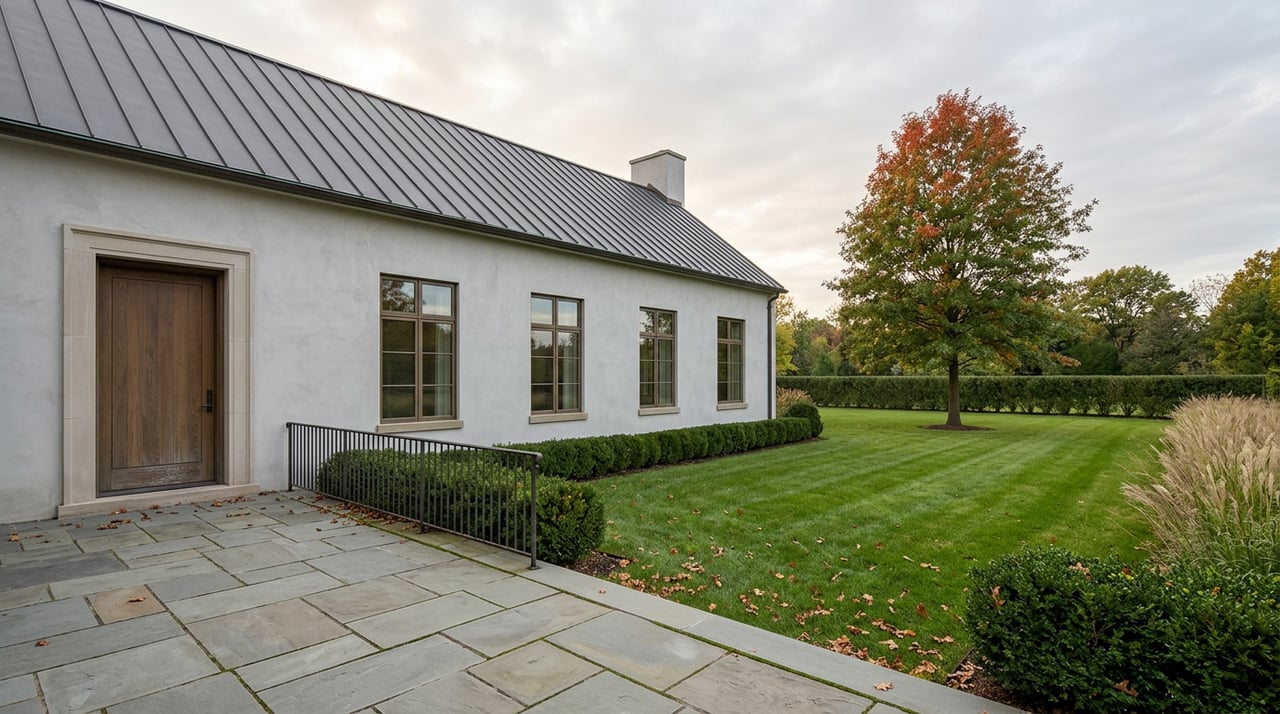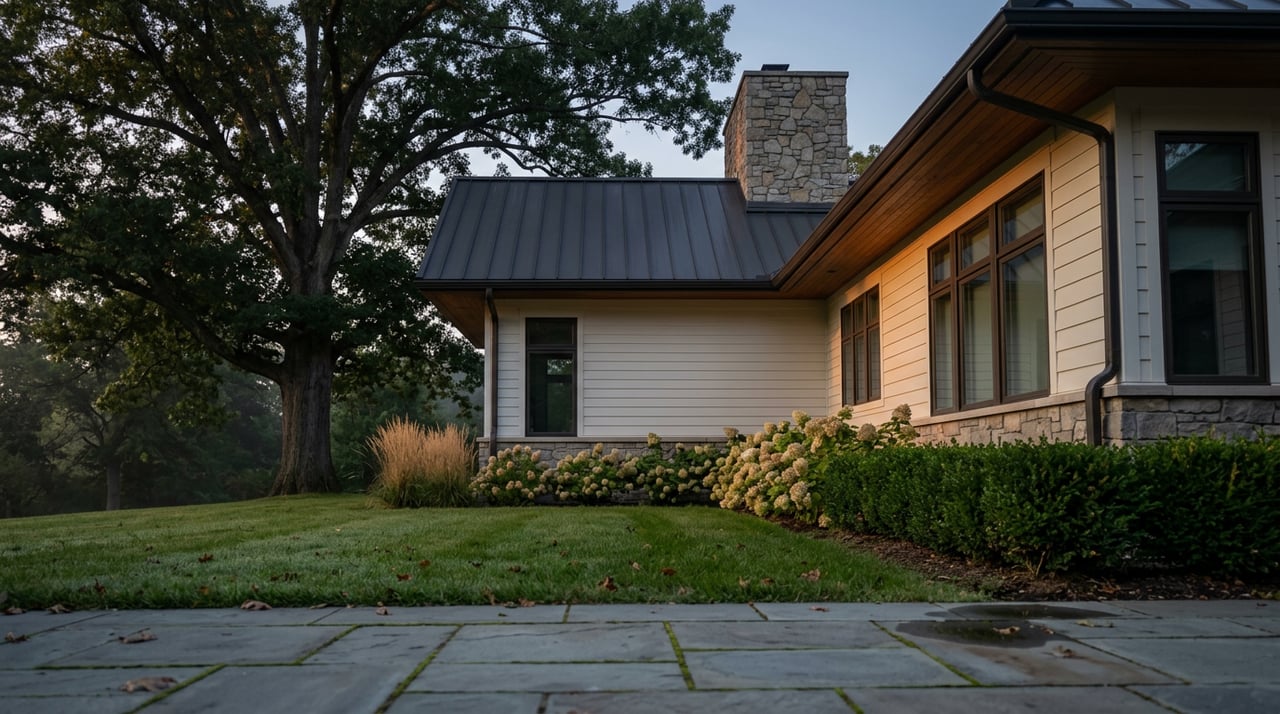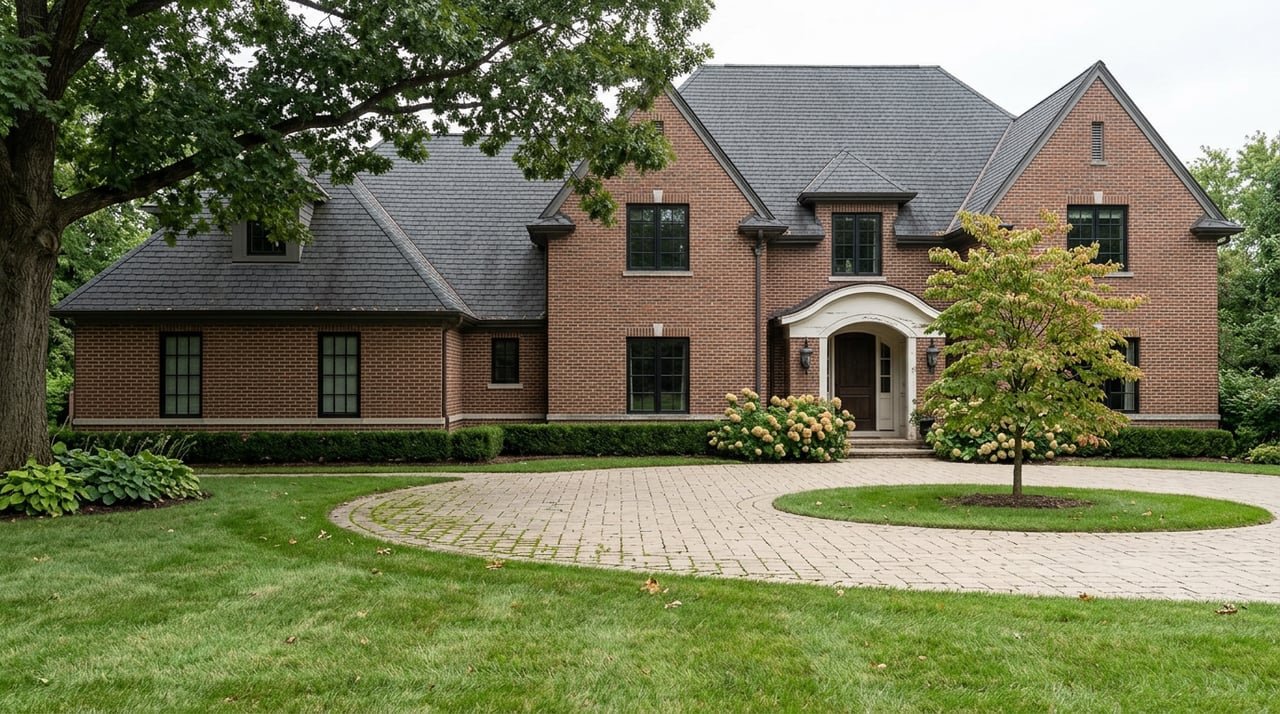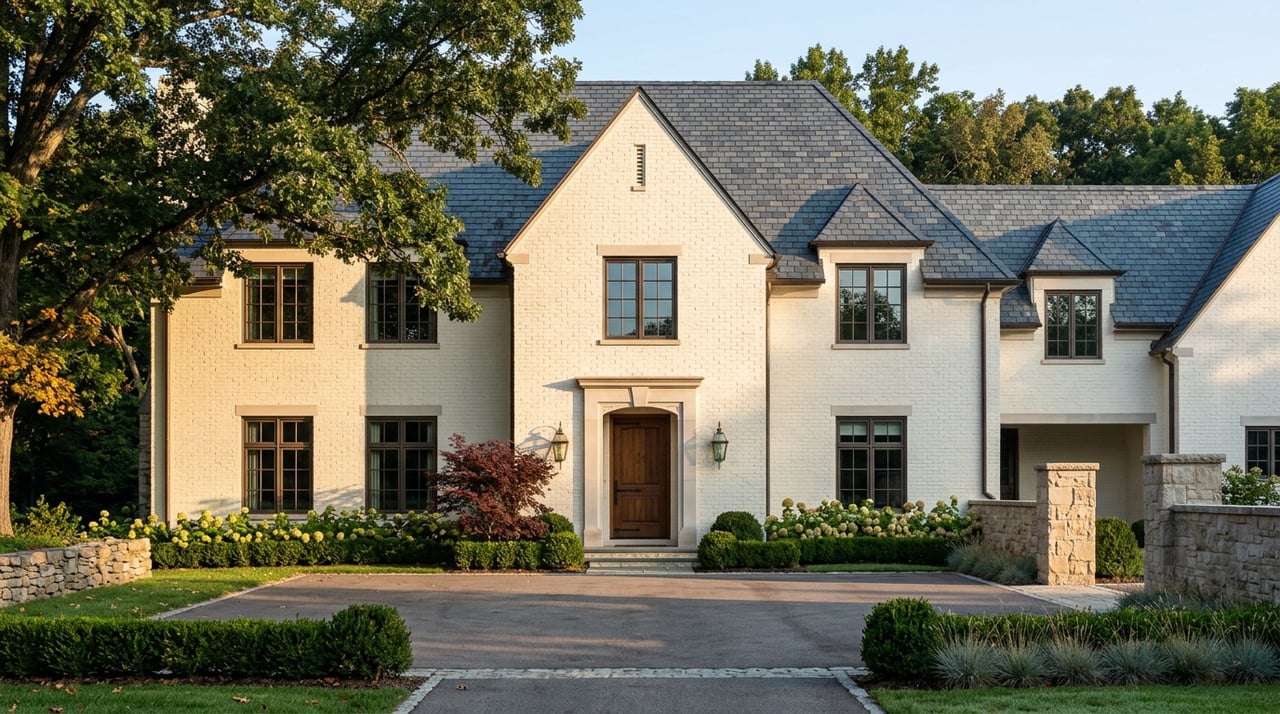
Ask most people how long it takes to sell an eight-figure house in Carmel and they will guess wrong in the same direction every time. The assumption is that the bigger the number, the longer the wait, that a $12 million listing sits for a year while a handful of curious lookers file through and nobody actually writes an offer. Then you look at what happened on West 116th Street in the summer of 2025, on a 9.4-acre estate bordering Crooked Stick Golf Club, and the assumption falls apart in five days.
The Numbers Nobody Expected
The estate belonged to Jim Irsay, the longtime owner of the Indianapolis Colts, who died on May 21, 2025. Ownership passed to his daughters, Carlie Irsay-Gordon, Casey Foyt and Kalen Jackson, and the family listed the property on July 30 for $12 million. Listing agent Steve Decatur described it to Current Publishing as spanning 9.4 gated acres along the edge of Crooked Stick's Pete Dye-designed course, with a 25,843-square-foot main residence and a 2,700-square-foot guest house. At the time it went live, it was the most expensive active listing in Carmel by more than $5 million.
Five days later it was pending. By the time Indianapolis Business Journal reported the closed sale, the number was $11.75 million, roughly 98 percent of the original ask, on a home that most agents would have priced for a long runway.
That is not a typical outcome for a home in this price band anywhere, let alone in Hamilton County. The next two examples come from the same city and the same tier of buyer, and they land on the opposite result.
Two Estates That Prove the Opposite
Years earlier, Bren Simon, widow of real estate developer Mel Simon, listed the 106-acre Asherwood estate in Carmel for $25 million. The property included a 50,000-square-foot main house, a 6,000-square-foot guest house and a private 18-hole golf course. Agents covering the listing at the time told IBJ that the buyer pool capable of affording a home at that scale was so small that most serious offers would likely come from outside Indianapolis entirely, if they came at all. The sale dragged, and the coverage noted that separating legitimate buyers from curiosity seekers touring an estate they had no intention of purchasing was its own separate problem.
The same reporting pointed to an earlier cautionary case just down the road: a 33.6-acre Carmel estate built by Conseco founder Stephen Hilbert, which came under the control of CNO Financial Group after a court battle over loans Hilbert had taken against company stock. That home had once carried a $20 million ask. It finally sold in 2010, not to a wealthy relocating executive but to Forrest and Charlotte Lucas of Lucas Oil, for $3 million, a steep discount from where it started.
Three Carmel estates. Three different outcomes, ranging from a near-instant sale at 98 percent of ask to a decade-long slide that ended at 15 cents on the original dollar. Price bracket alone does not explain the gap.
What Actually Decided the Timeline
The variable that separates the Irsay sale from Asherwood and the Hilbert mansion is not the size of the house or even the size of the number on the sign. It is how tightly the marketing matched the actual pool of people who could plausibly buy.
The Irsay estate carried a built-in story that a narrow set of serious, qualified buyers already understood: the Colts, the family, the address next to one of the most recognized private golf courses in the state. Decatur controlled how that story reached the market rather than blasting it to every portal at once. Asherwood and the Hilbert mansion, by contrast, were marketed as public spectacles at a moment when Indianapolis had essentially no local buyer base for a $20 to $25 million residence, which meant the properties collected attention without collecting offers.
A property at this level does not sell faster because it costs more. It sells faster when the marketing reaches fewer people, and all of them can actually write the check.
That is the mechanism hiding underneath every generic "days on market" figure you will find for Carmel or even for golf-adjacent neighborhoods specifically. A citywide median tells you almost nothing about how a $10 million estate bordering Crooked Stick actually moves, because that estate is not competing against the hundreds of homes that make up the median. It is competing against a handful of comparable transactions a year, and the buyer pool for that handful is defined by relationships and referrals more than by open houses.
What This Means If You're Selling or Bidding Near the Course
If you own a home along Crooked Stick's fairways, or you are shopping for one, the practical takeaway is not that ultra-luxury real estate always moves fast. It is that speed at this level is a function of discretion and targeting, not just price.
A public MLS blast on a $6 million or $10 million estate near the course invites the same problem Asherwood ran into: gawkers who want a look inside a famous property with no intention of buying, diluting the pool of genuinely qualified showings. A narrower, vetted approach, the kind built around private networks and pre-qualified buyers rather than broad syndication, is what let the Irsay estate go pending in less than a week. That is also the logic behind private exclusive and coming-soon strategies that keep a listing out of the public search results while it is tested with a curated group first.
If you are the buyer side of this equation, the same lesson cuts the other way. A slow-moving Crooked Stick estate is not automatically overpriced. It may simply be marketed to the wrong audience, which is exactly the kind of opening a well-connected buyer's agent can use to negotiate from a position most people watching the public listing never see.
You can browse the broader profile of homes along the course, including lot availability and typical architectural styles, on our Crooked Stick neighborhood guide.
FAQ
Does bordering Crooked Stick Golf Club mean a home is legally inside the Crooked Stick neighborhood? Not necessarily. The Irsay estate sits along West 116th Street adjacent to the course rather than inside the platted Crooked Stick Estates subdivision, but it competes for the same buyer pool as homes that are, which is why the sale is relevant to anyone pricing property in the immediate area.
Why did this sale move faster than historical Carmel estates at a similar price? The property combined a recognizable story with a controlled marketing process handled directly through the listing agent rather than broad public exposure, which kept the pool of serious inquiries small and qualified from the start.
Does a fast sale near Crooked Stick mean homes there are underpriced? Not on its own. It means the marketing found the right buyer quickly. A slower sale nearby could reflect the same asking price working through a less targeted process, not a flawed valuation.
If you are weighing whether to list an estate near Crooked Stick, or you want a clearer read on what a specific address is actually worth in this market, Jennil Salazar can walk you through the private marketing options built for exactly this tier of sale. Book a consultation and get a pricing conversation grounded in how Carmel's estate market really clears, not the citywide average.